
Twisted Love
Fort Myers, February 21, 2026 | Hosted by Diane and Jeff Steinhilber
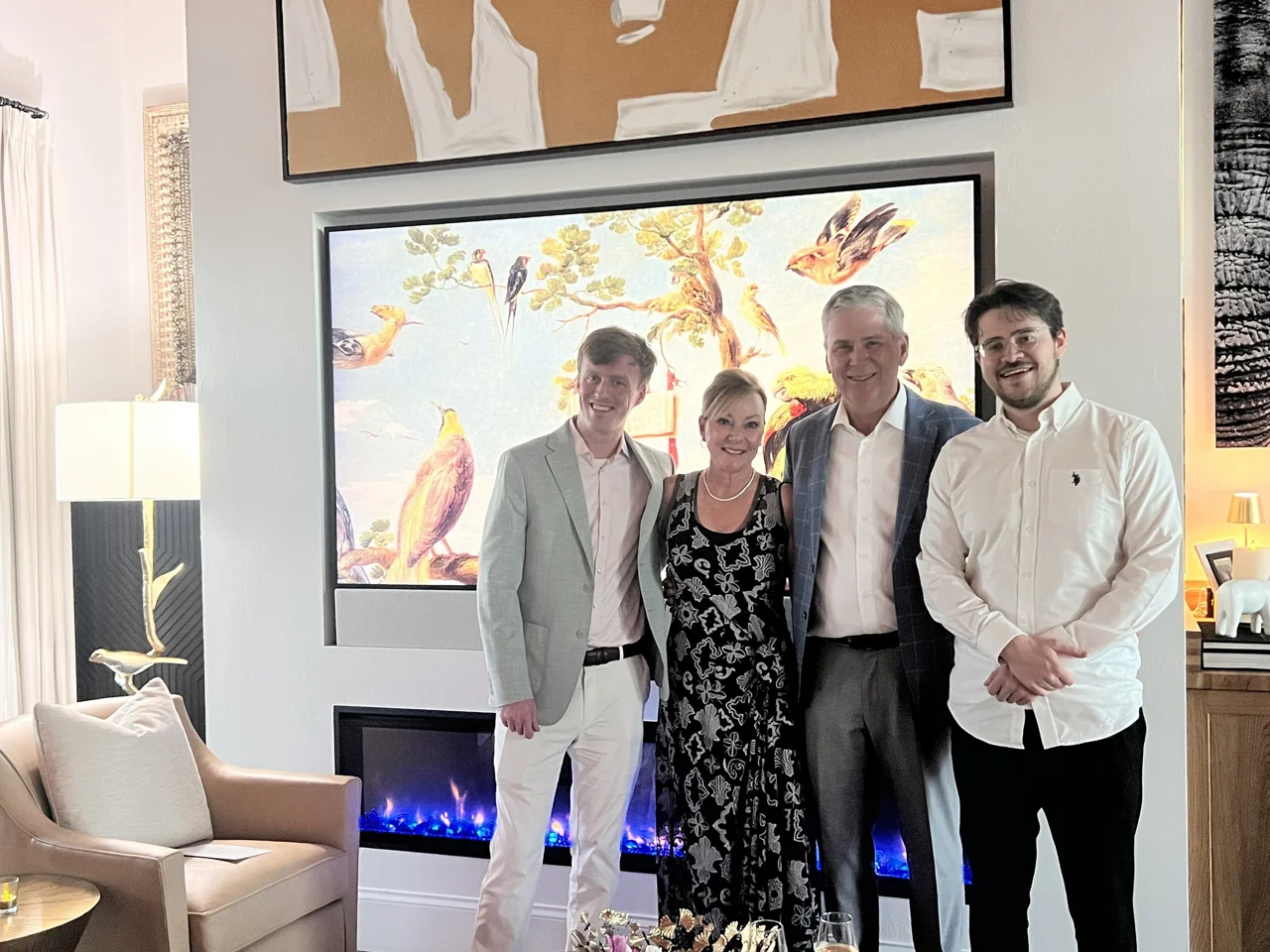
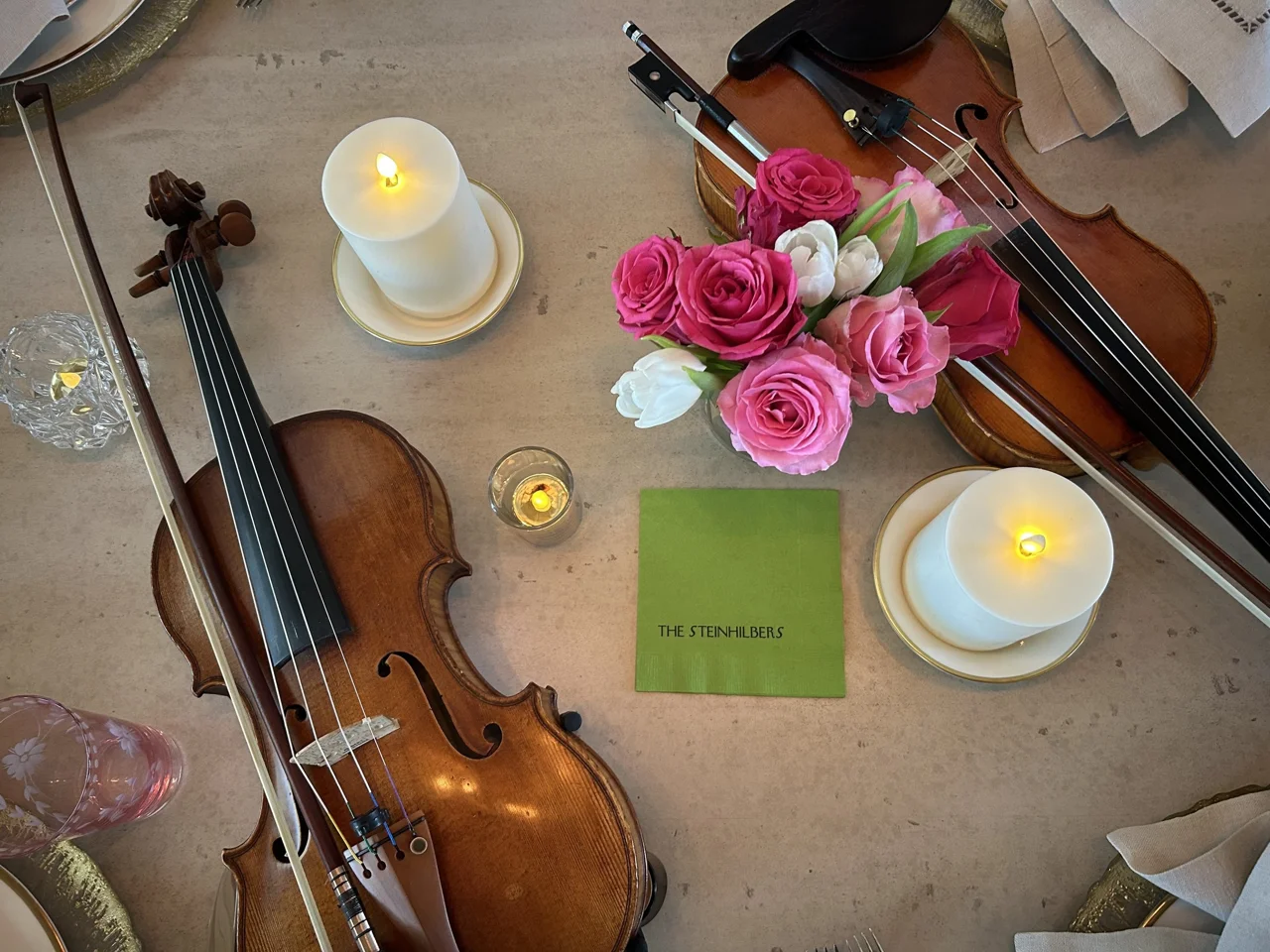
On Saturday, February 21st, Consort Eureka held its second salon concert, graciously hosted by Diane and Jeff Steinhilber in Fort Myers, Florida. I first met the Steinhilbers several summers ago at the Chautauqua Institution. Since then, our collaborations have included intimate dinnertime soirées at their home and recitals for the Chautauqua Women’s Club. Each time, they have modeled the very best of artistic hospitality — generosity of spirit paired with thoughtful engagement — exemplifying what it means to open one’s home in service of the arts.
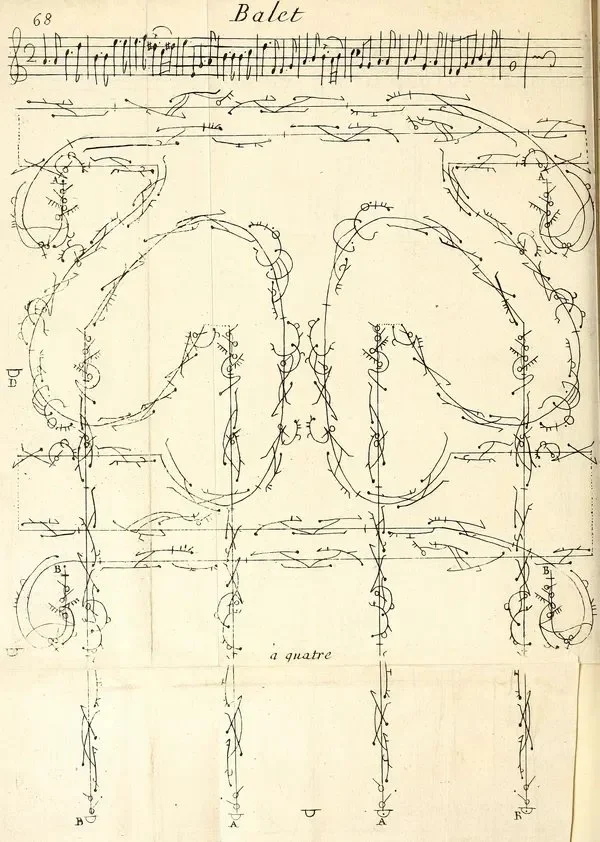
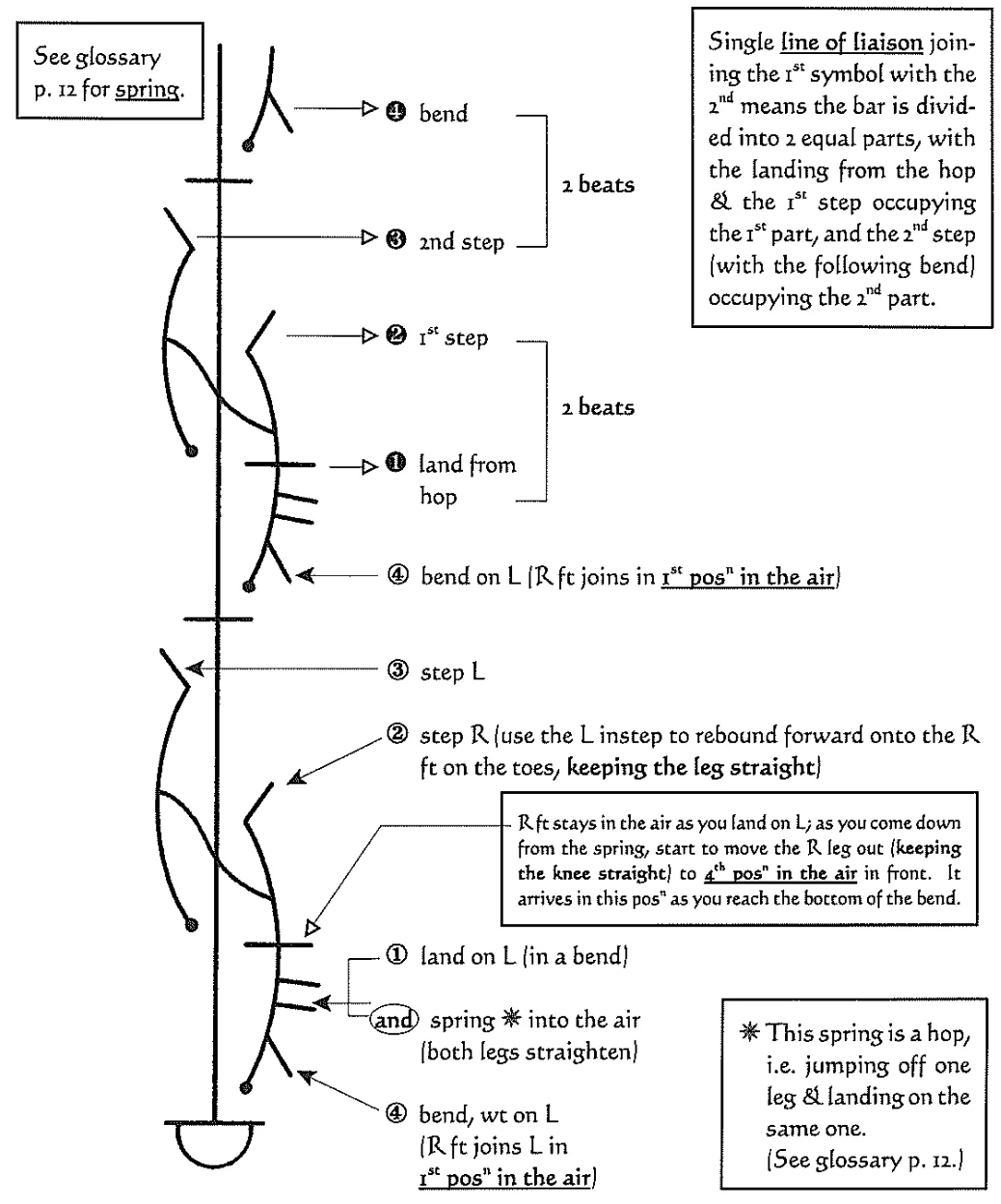
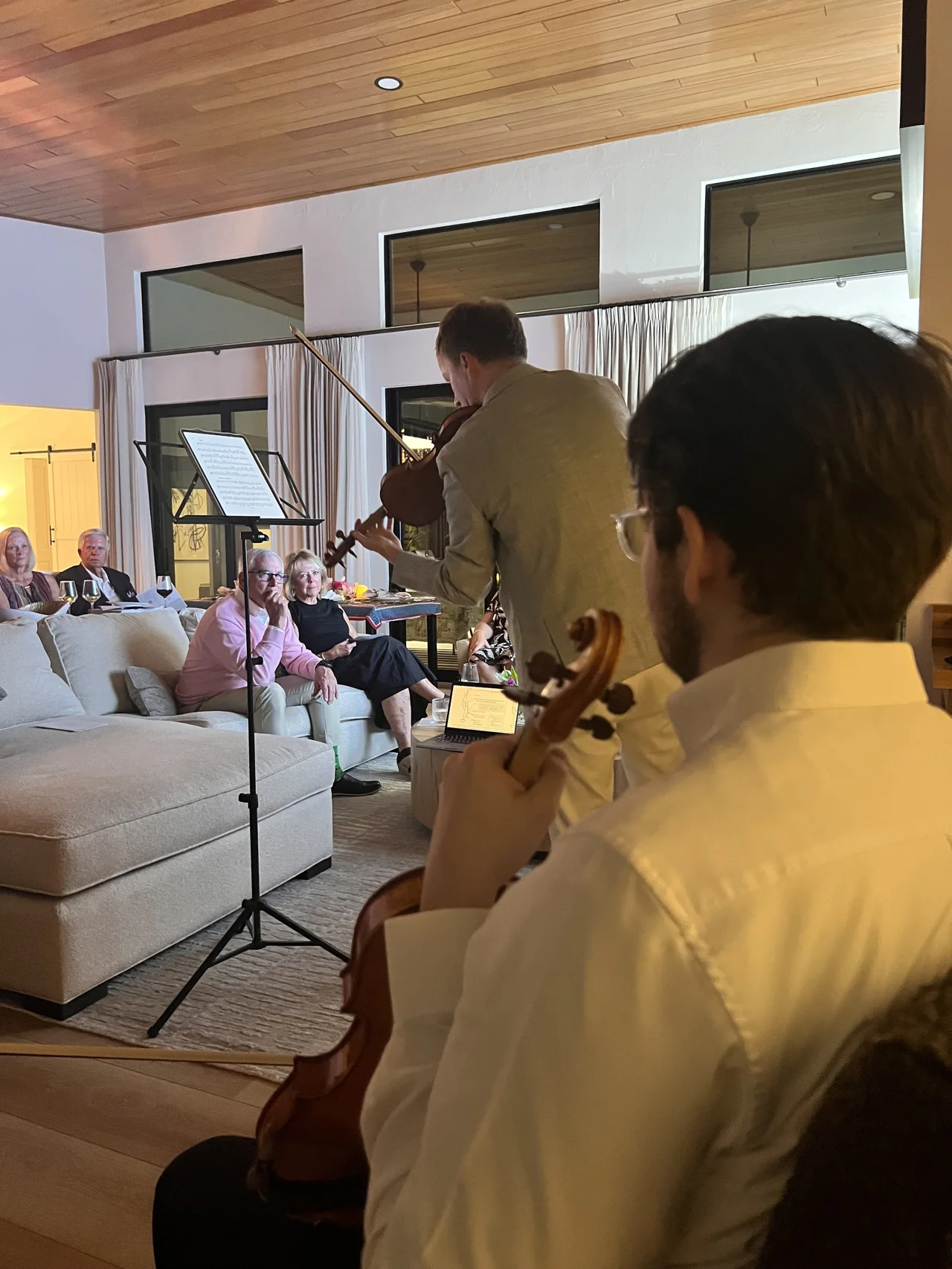
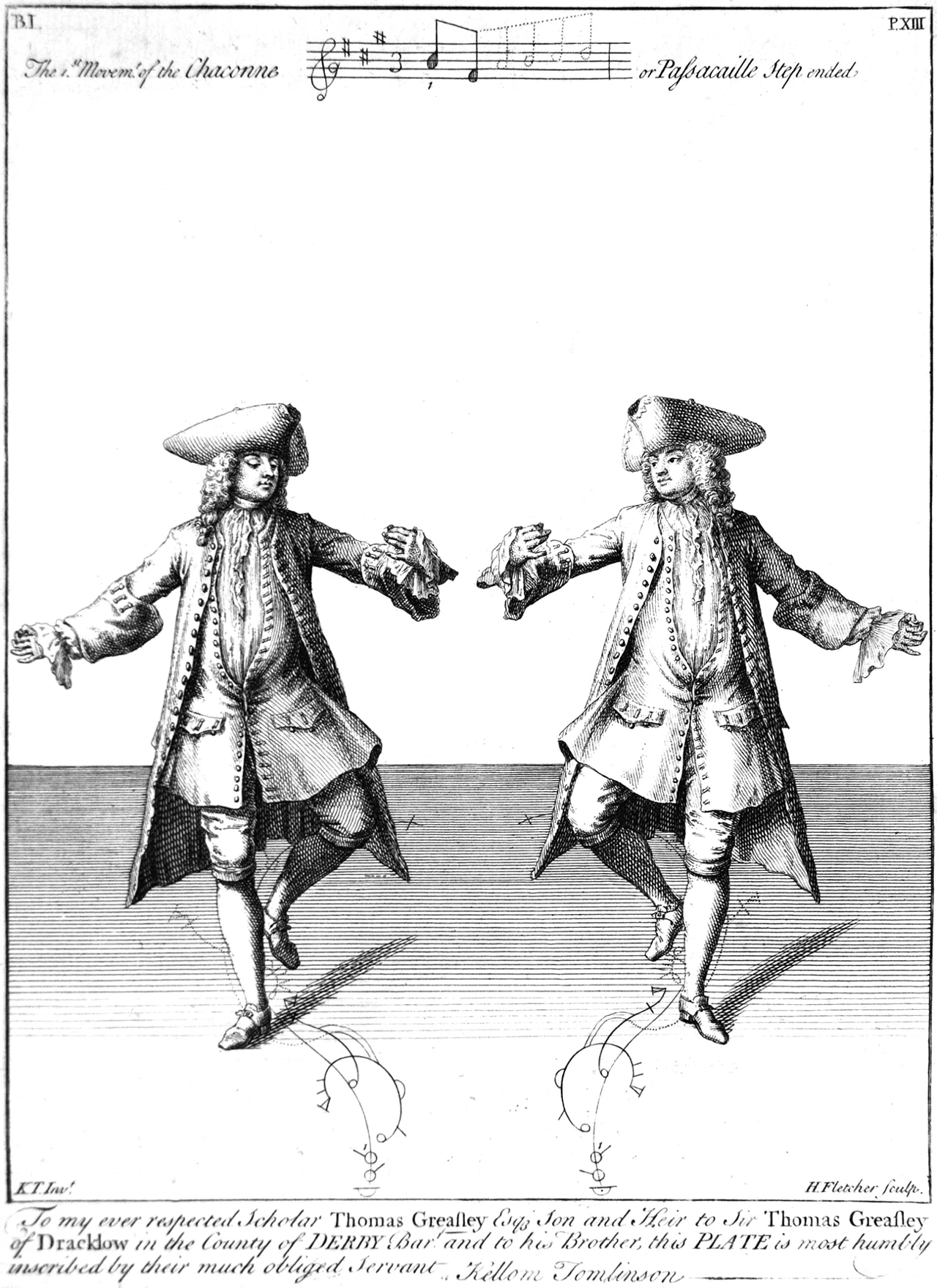
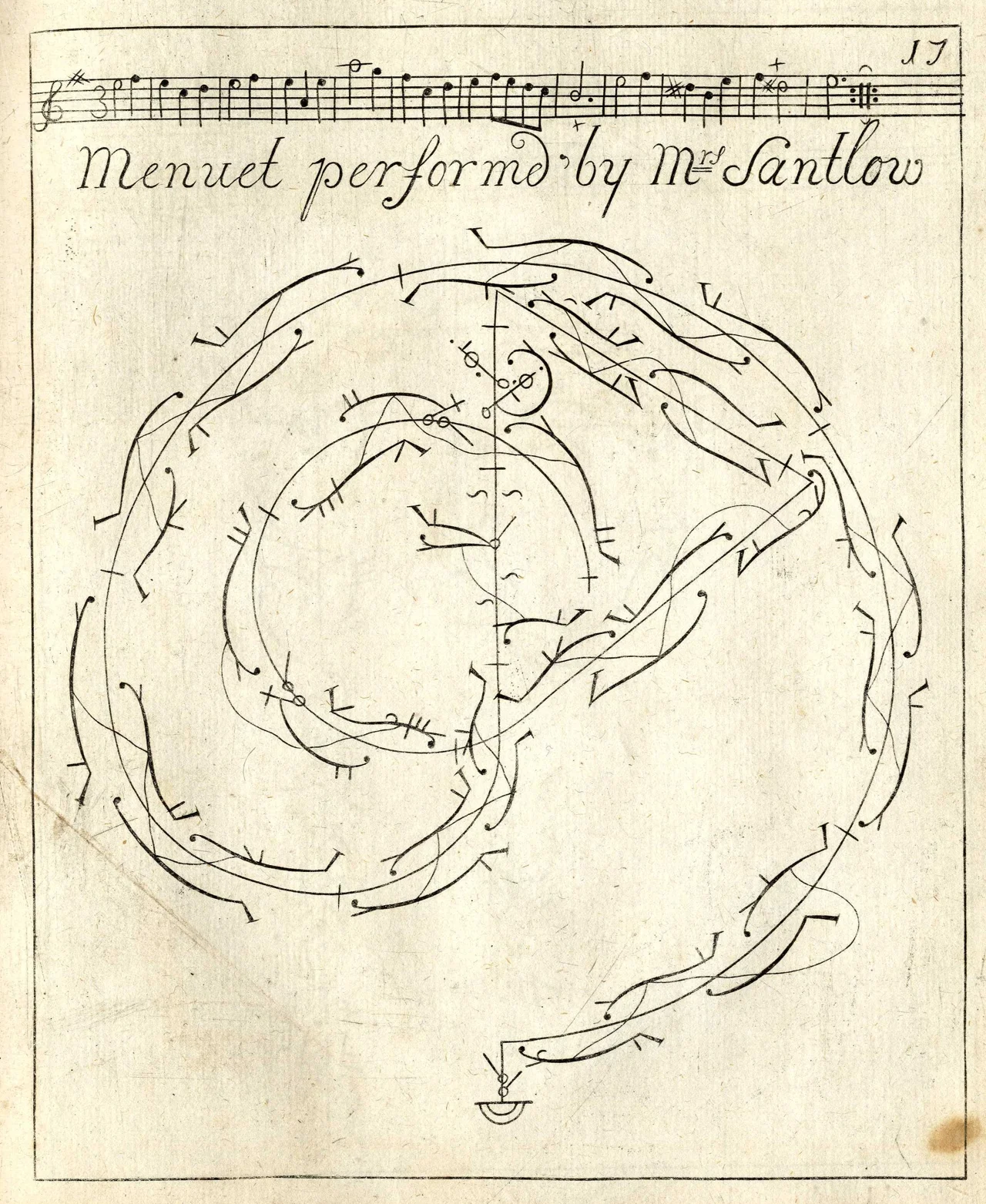
Titled “Twisted Love,” the program took place on the heels of Valentine’s Day and drew its inspiration from the very word Baroque — derived from barroco, the Portuguese term for an irregularly shaped pearl. Étienne Girard and I performed selections from Bach’s E Major Partita, dividing the movements between us. We began with the Preludio, using it as an opportunity to discuss bariolage — literally “multi-colored” — the oscillation across strings that produces shifting timbral hues. From there, we situated the Partita historically, tracing the germination and codification of Baroque dance forms in the court of Louis XIV. (For those wishing to explore this world further, Wendy Hilton’s Dance of the Court and Theater: The French Noble Style, 1690–1725 remains indispensable.) We then introduced Beauchamp–Feuillet notation — the early eighteenth-century system for recording dance steps and floor patterns. Rather than describing it, we demonstrated its logic physically, walking through characteristic patterns of the Gavotte and Bourrée. The audience could see how the geometry of the floor translated directly into rhythmic gesture and musical articulation. For those interested in exploring further, I recommend Betty Bang Mather’s Dance Rhythms of the French Baroque, Philippa Waite and Judith Appleby’s Beauchamp–Feuillet Notation (an excerpt of which is pictured here), and Meredith Little and Natalie Jenne’s Dance and the Music of J. S. Bach.
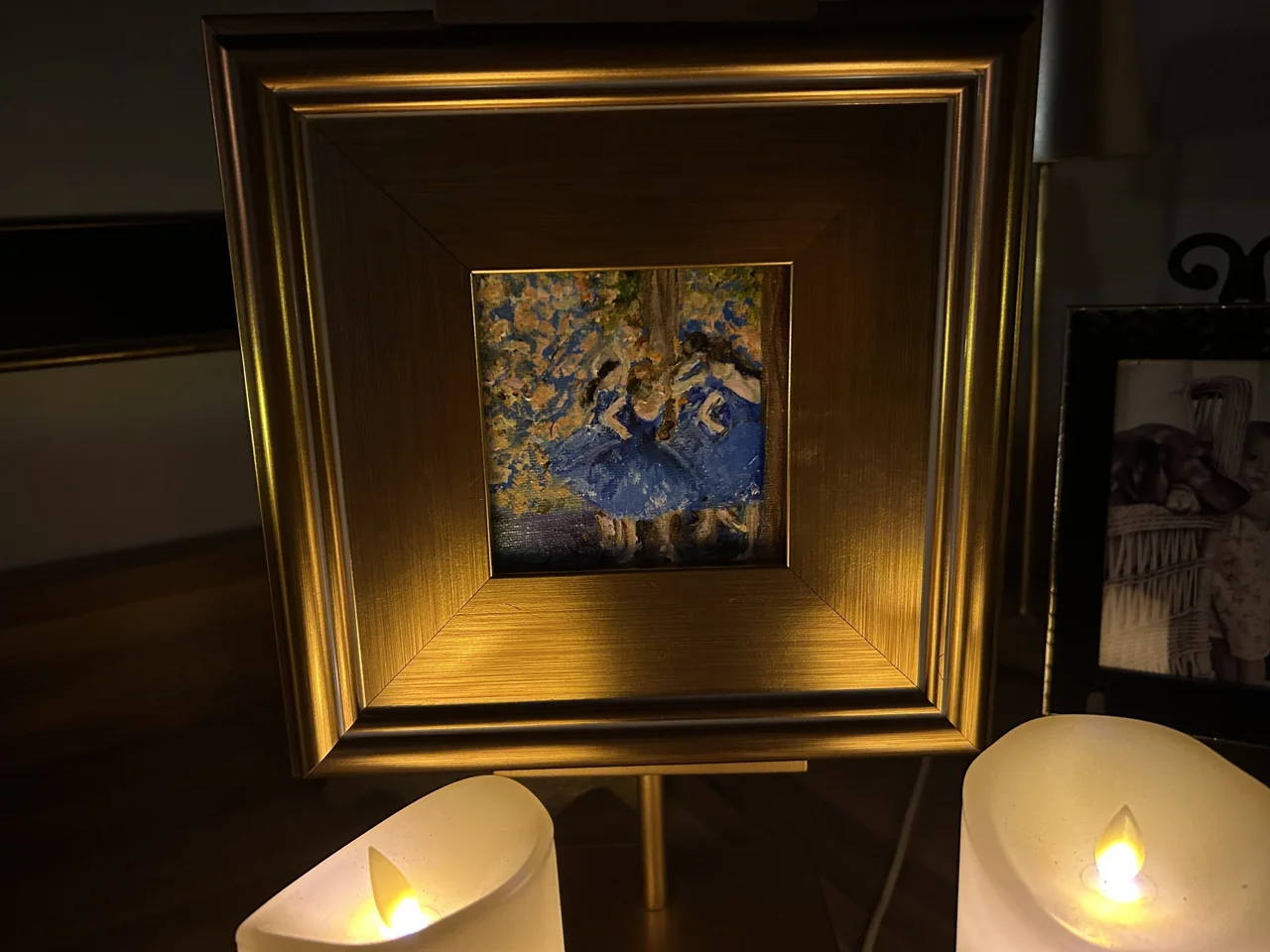
Following the presentation, Diane made an extraordinary gesture: she donated one of her paintings — an homage to Edgar Degas’s Blue Dancers — to Consort Eureka to raise funds for future projects. The painting was immediately sold. These proceeds directly enabled us to finance our upcoming Irish concert series in March. I am deeply grateful for her generosity and for the example it sets — that the arts thrive not only through performance, but through shared investment.
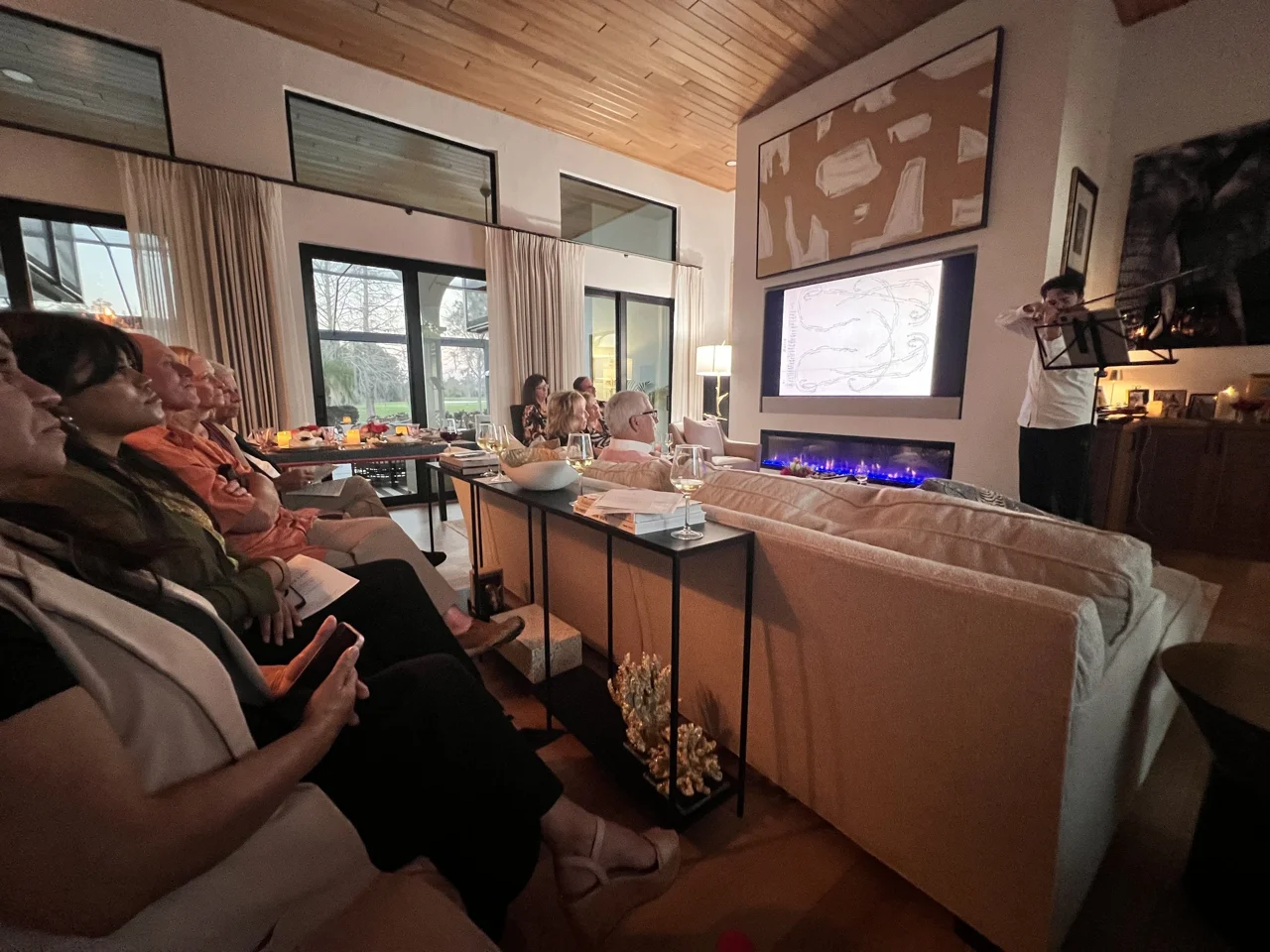
To conclude the musical portion of the evening, Étienne and I performed Miklós Rózsa’s Sonata for Two Violins, Op. 15a — originally composed in 1933 and later revised in 1973. Though many know Rózsa primarily for his celebrated film scores — most famously Ben-Hur (1959), which earned him one of his three Academy Awards — he consistently maintained a parallel and deeply serious career as a concert composer. Compact and intense, the work demands athletic precision from both players, culminating in a driving and virtuosic finale.
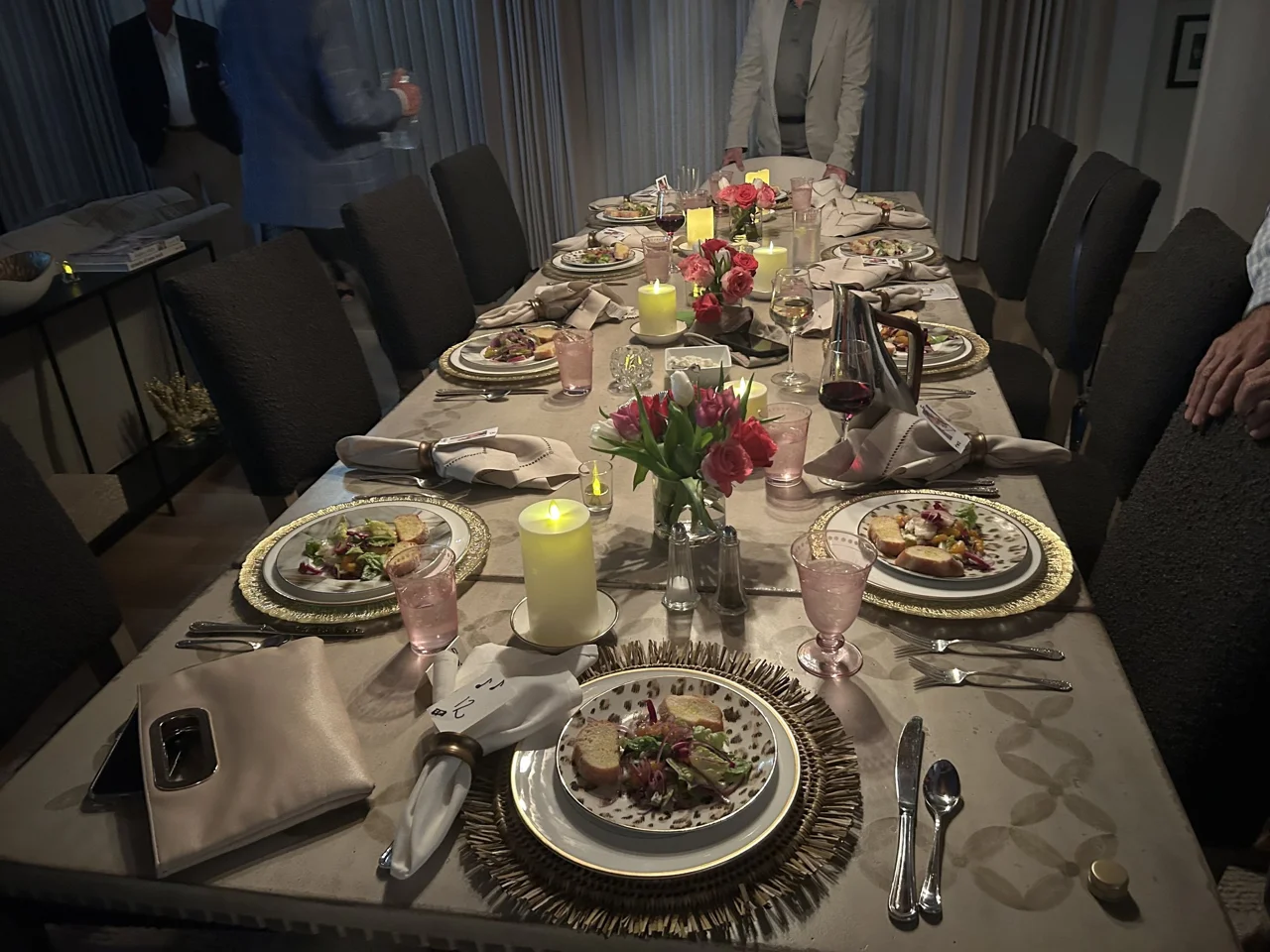
After the final cadence, we gathered for dinner — salmon and wine shared around a warmly set table. The most meaningful moments of a salon often occur after the music ends. We sat with our audience, learning about their lives, their enterprises, and their relationships to music. These conversations are the quiet engine of Consort Eureka’s mission: chamber music is an intimate encounter.
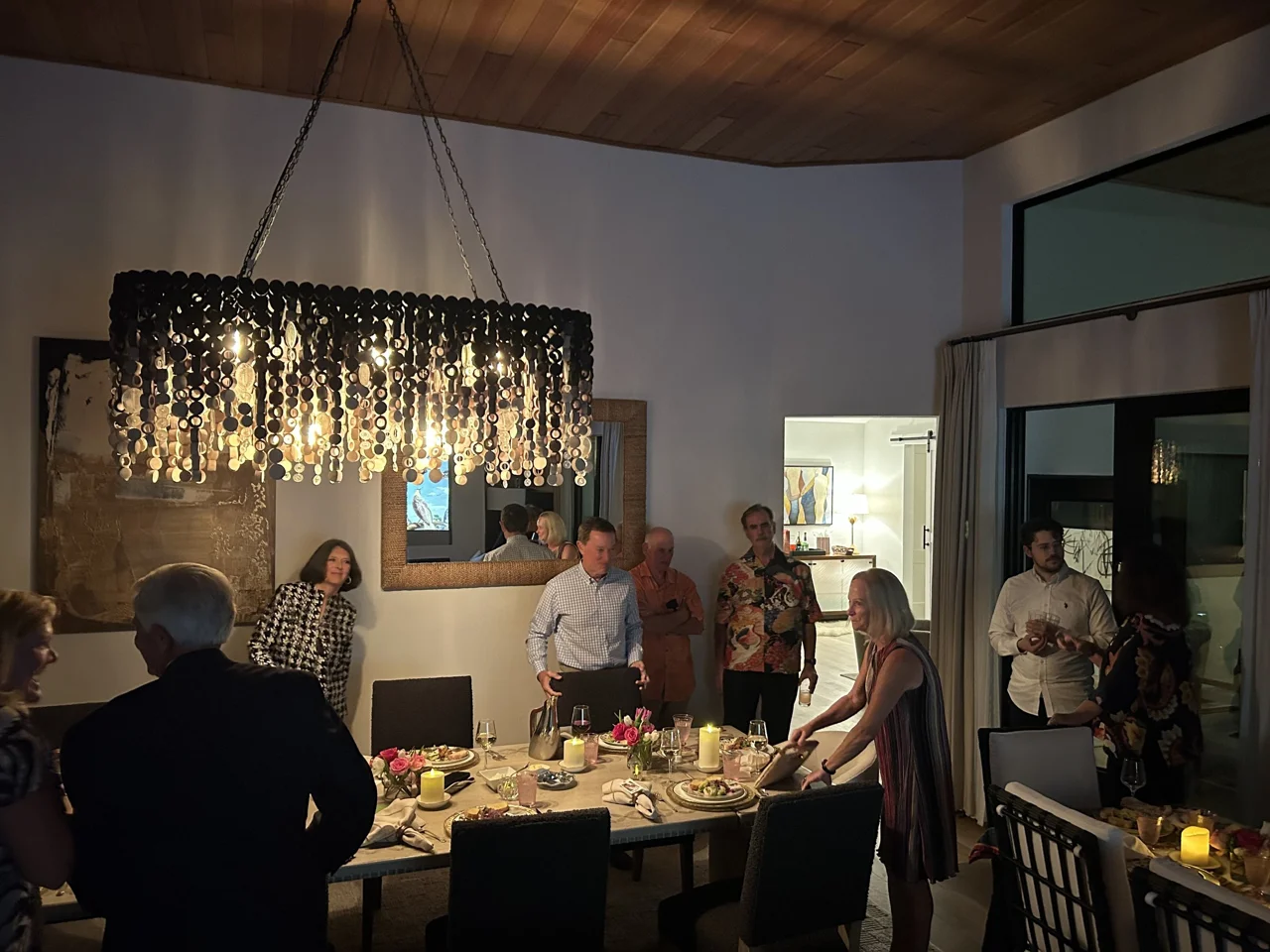
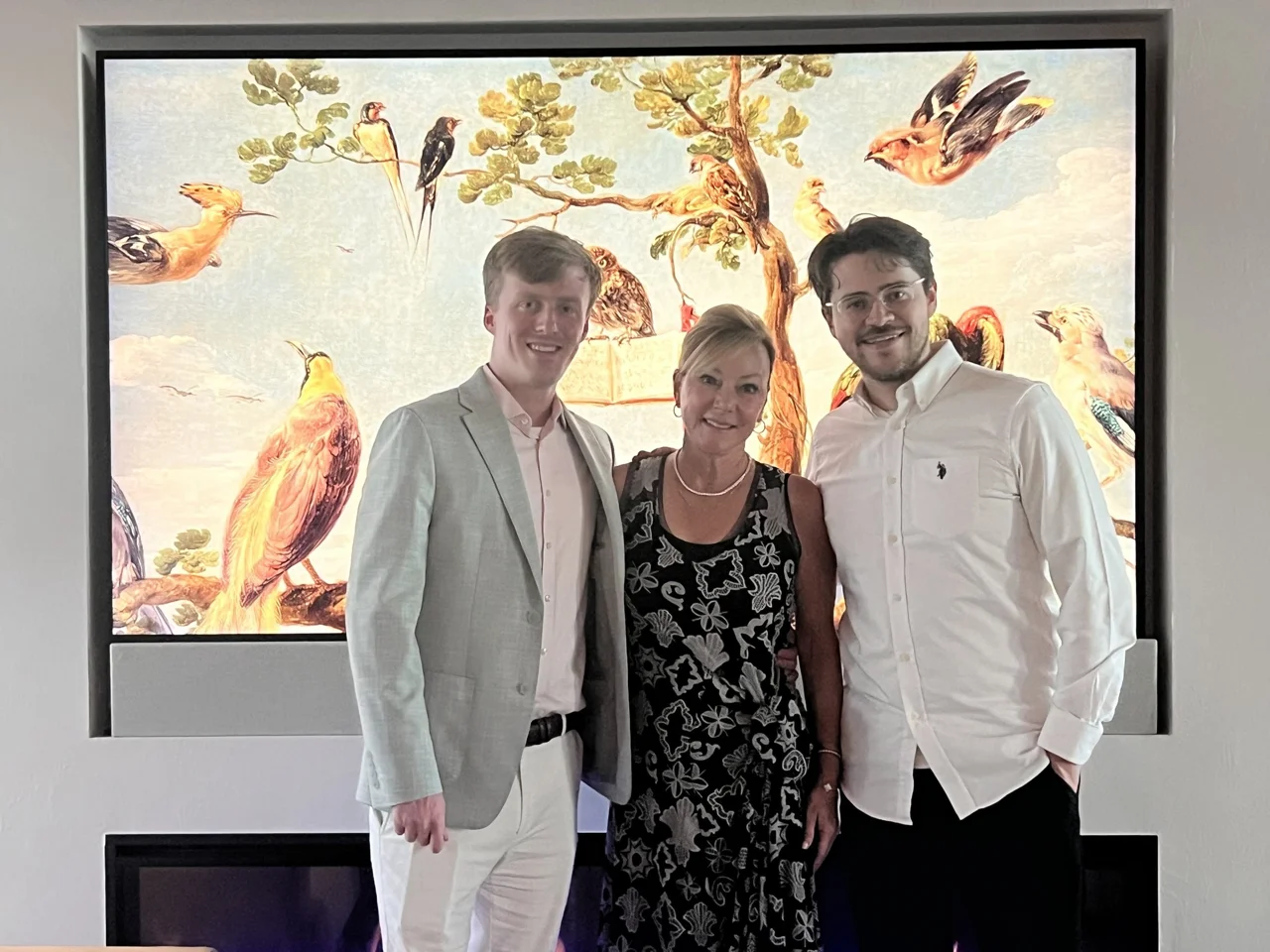
Consort Eureka is blessed to count Diane and Jeff Steinhilber among its most treasured hosts. Throughout history, the arts have flourished under the roofs of individuals willing to gather friends and neighbors into intimate proximity with artists and their craft. If you believe in chamber music that draws audiences into the creative process, we invite you to join us. We also welcome conversations about upcoming projects and potential hosts. Please feel free to reach out — we would be glad to remain in touch.
— Ericsson F. Hatfield